
Can Gum Disease Be Reversed? What Changes With Treatment?
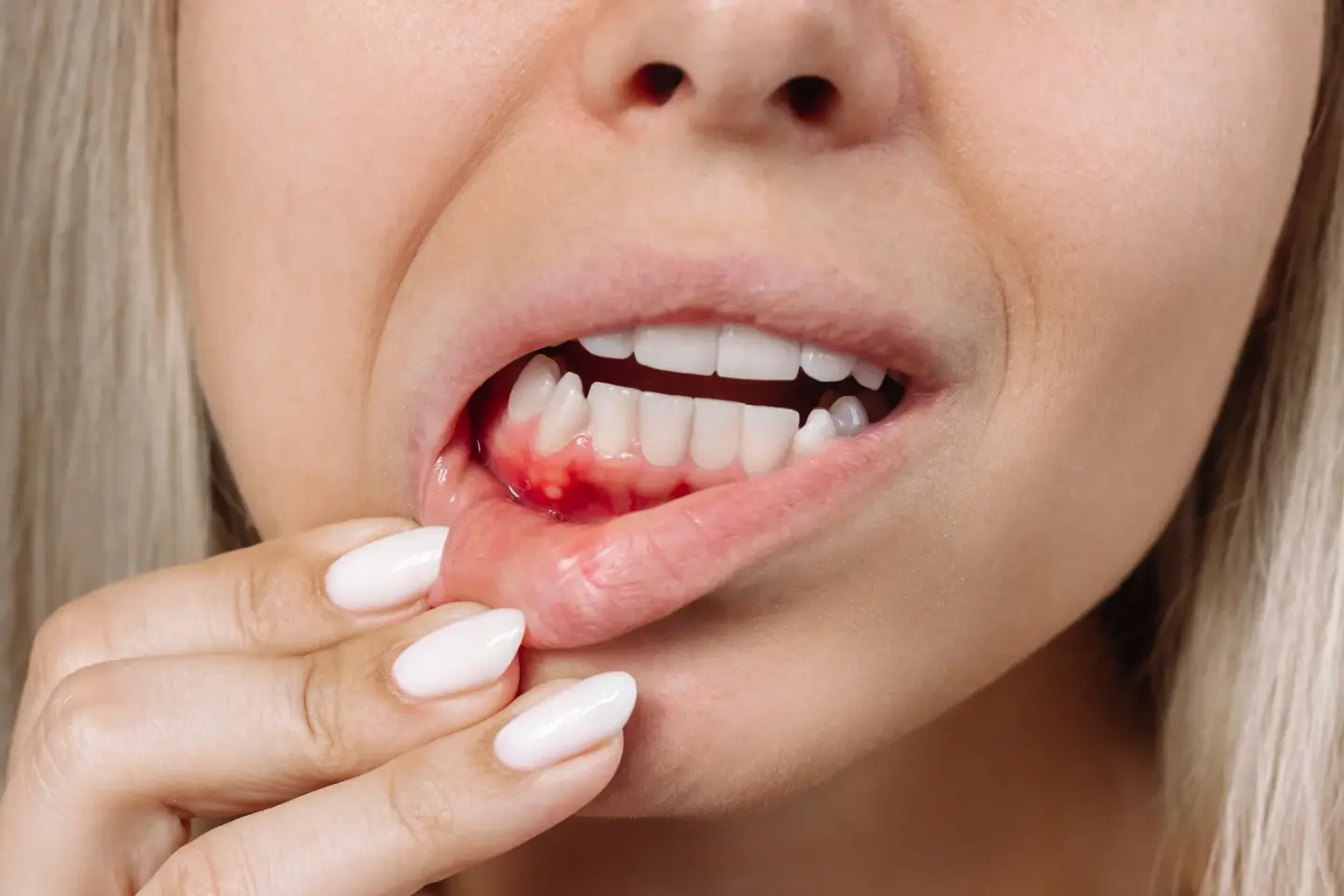
Gum disease sounds like a permanent label once you hear it, but the reality is more nuanced than that. Whether it can be reversed really depends on how far it has progressed by the time it is caught. Early gum disease often responds well to treatment and improved home care, while more advanced stages tend to be managed rather than fully undone. Knowing where you stand and what treatment can realistically accomplish makes it a lot easier to know what to expect going forward.
If you have been told you have some level of gum disease and are wondering what comes next, this breaks down what actually changes with gum disease treatment in Glendale, Queens, NY, depending on how early or advanced things are.
The Difference Between Gingivitis and More Advanced Gum Disease
Gum disease exists on a spectrum, and where you fall on it matters a great deal for what treatment can achieve. Gingivitis is the earliest stage, marked by red, swollen, or bleeding gums, but without permanent damage to the bone or tissue supporting the teeth. This stage is generally reversible with consistent care.
Periodontitis is more advanced and involves actual loss of bone and tissue around the teeth. Once that damage occurs, it typically cannot be fully reversed, though it can be stabilized and managed effectively with the right gum disease treatment in Glendale, Queens, NY. This distinction is really the key to understanding what reversal means in a dental context, since it looks different depending on how far things have progressed.
What Actually Happens When Gingivitis Is Caught Early
If gum disease is caught at the gingivitis stage, the outlook is genuinely good. A professional cleaning to remove plaque and tartar buildup, combined with improved daily brushing and flossing, is often enough to bring inflamed gums back to a healthy state within a matter of weeks. Bleeding typically decreases, swelling goes down, and the tissue returns to its normal color and firmness.
This is part of why early gum disease treatment in Glendale, Queens, NY matters so much. Catching things at this stage means the difference between a full recovery and managing a more chronic condition long term. Regular dental visits play a big role here, since gingivitis does not always come with obvious symptoms early on, and a dentist can often spot it before it becomes noticeable at home.
What Changes When Periodontitis Has Already Set In
Once gum disease has progressed to periodontitis, treatment shifts from reversal to control. A deep cleaning procedure, known as scaling and root planing, removes bacteria and tartar from below the gumline, which helps stop the disease process from continuing to damage bone and tissue. While the bone and tissue already lost generally will not regenerate on their own, this kind of gum disease treatment in Glendale, Queens, NY can stabilize the area and prevent further loss.
In more advanced cases, additional procedures like gum surgery may be recommended to reduce pocket depth around the teeth or, in some situations, to help regenerate a portion of lost tissue. The specific approach depends on how advanced the disease is and how the gums respond to initial treatment.
Why Ongoing Maintenance Matters After Treatment
Whether gum disease is caught early or treated at a more advanced stage, what happens after the initial treatment matters just as much as the treatment itself. Gum disease is generally considered a chronic condition, meaning it can return if bacteria are allowed to build back up. This is why dentists often recommend more frequent cleanings, sometimes every three to four months instead of the standard six, for anyone who has been treated for gum disease.
Consistent gum disease treatment in Glendale, Queens, NY, paired with disciplined home care, brushing twice daily, flossing once a day, and avoiding tobacco use, gives the best chance of keeping the condition stable over the long run, regardless of which stage it started at.
Signs That Treatment Is Working
A few signs indicate that gum disease treatment is moving in the right direction. Reduced bleeding when brushing or flossing, gums that look pink rather than red or purple, and less swelling or tenderness around the gumline are all good indicators. Bad breath related to gum disease often improves as well, since it is frequently tied to the same bacterial activity being addressed by treatment.
At follow-up visits, a dentist can also track more objective measures, like pocket depth around each tooth, to confirm whether gum disease treatment in Glendale, Queens, NY is producing the expected improvement or whether adjustments to the treatment plan are needed.
Schedule a Gum Health Evaluation With Gen Z Dentistry
If you have noticed bleeding, swelling, or other changes in your gums, getting an evaluation sooner rather than later gives you more options for treatment. Gen Z Dentistry offers gum disease treatment in Glendale, Queens, NY, tailored to where things stand, whether that means reversing early gingivitis or managing more advanced periodontal disease. Reach out to Gen Z Dentistry today to schedule an evaluation and find out what your gums actually need.
Frequently Asked Questions About Reversing Gum Disease
Q: Can gingivitis really be fully reversed?
A: Yes, in most cases. Since gingivitis has not caused permanent bone or tissue loss yet, a professional cleaning combined with improved home care can typically restore gums to a healthy state.
Q: Once periodontitis develops, is any part of it reversible?
A: The bone and tissue already lost generally do not regenerate on their own, but the disease process itself can be stopped and the area stabilized with proper treatment, preventing further damage.
Q: How long does it take to see improvement after treatment starts?
A: Early gum disease often shows noticeable improvement within a few weeks of treatment and better home care. More advanced cases may take longer to stabilize and require ongoing monitoring.
Q: Will gum disease come back after it is treated?
A: It can, particularly without consistent home care and regular maintenance visits, which is why more frequent professional cleanings are often recommended after treatment.
Q: What is the biggest factor in whether gum disease can be reversed?
A: How early it is caught. Gingivitis caught before it progresses to periodontitis has a much better chance of full reversal compared to more advanced stages.
Q: Are there specific signs I should watch for at home?
A: Bleeding gums, persistent bad breath, gum swelling, and gums that appear to be pulling away from the teeth are all worth having evaluated rather than waiting to see if they improve.

)
)


OVERVIEW
PROCEDURES
SUPPORT
© 2026 Gen Z Dentistry | All rights reserved | Privacy Policy | Digital Marketing by Remedo