
Can Sensitive Teeth Be Whitened? Questions to Ask Your Dentist
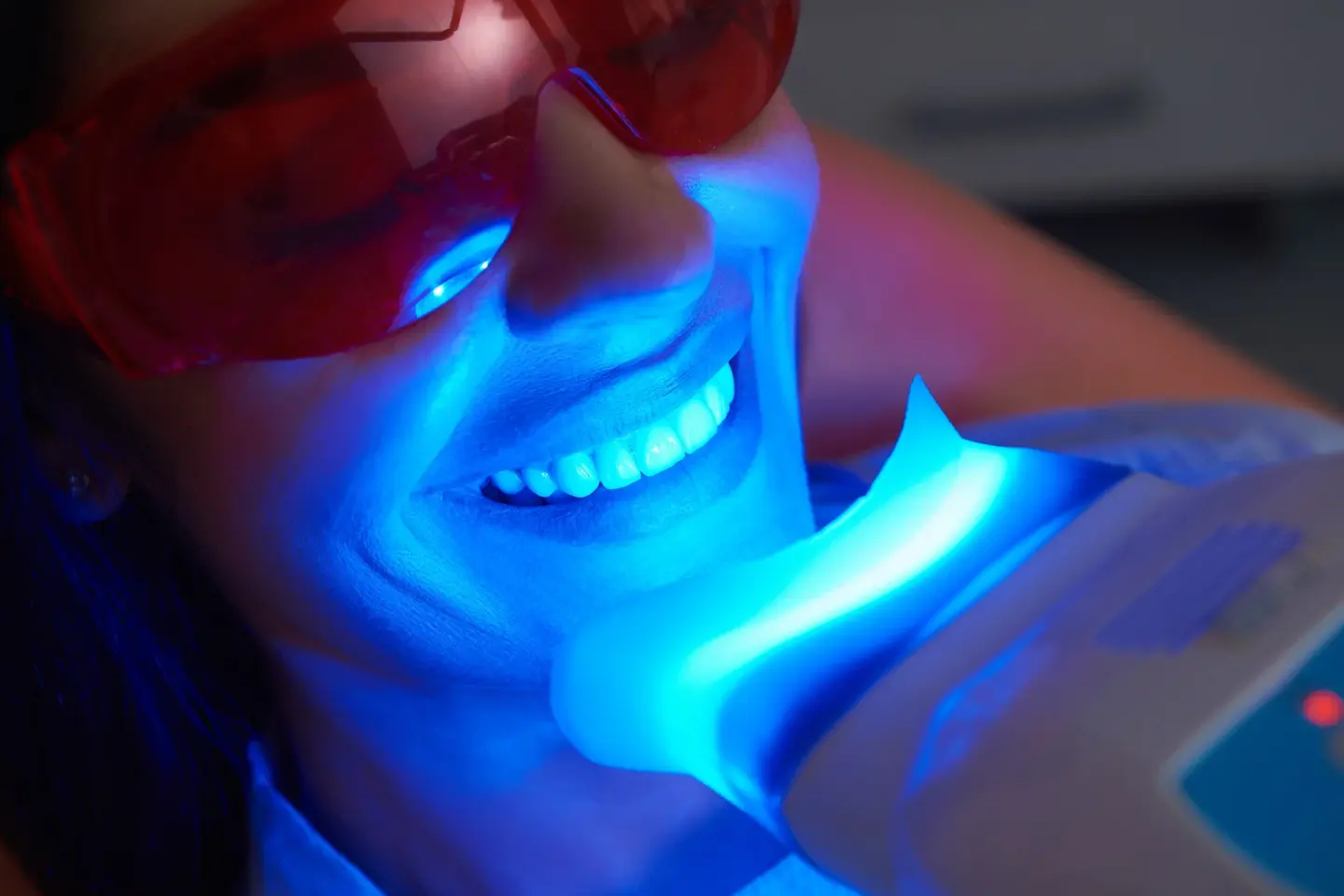
You want a brighter smile, but the thought of a zing of discomfort every time you sip something cold has you hesitating. If that sounds familiar, you are in good company. Plenty of people with sensitive teeth wonder whether whitening is even on the table for them. The short version is that many people with sensitivity can still explore whitening, as long as the approach is chosen with care. If you are considering teeth whitening for sensitive teeth in Glendale, Queens, NY, this guide explains why sensitivity happens, what your options may look like, and the questions worth bringing to your dentist.
Why Are Your Teeth Sensitive in the First Place?
Before talking about whitening, it helps to understand what is behind the sensitivity. Teeth have a hard outer layer called enamel, and underneath it sits dentin, which contains tiny channels leading toward the nerve. When enamel wears thin or gums pull back, those channels can become exposed, so hot, cold, sweet, or acidic things may feel uncomfortable.
Common reasons for sensitive teeth include:
- Worn enamel: Brushing too hard, acidic foods and drinks, or grinding your teeth can thin enamel over time.
- Gum recession: When gums pull back, the more sensitive root surface may be exposed.
- Cavities or cracked teeth: Decay and small cracks can allow sensation to reach the nerve.
- Older fillings or restorations: Worn or leaking fillings may contribute.
- Recent dental work: Mild sensitivity can follow some treatments and often settles.
Because the cause matters, it is smart to have a dentist look at your teeth before starting any whitening plan.
Can You Whiten Sensitive Teeth Safely?
For many people, yes, whitening may still be possible with the right plan. Teeth whitening for sensitive teeth in Glendale, Queens, NY, or anywhere else, usually starts with an exam so your dentist can understand what is causing the sensitivity and whether your teeth and gums are healthy enough for treatment.
Whitening gels contain peroxide, which can temporarily make some teeth feel more sensitive as it moves through the enamel. For most people, this passes within a day or two, but for others it can feel more noticeable. That is why a personalized approach matters. In some cases, your dentist may recommend treating a cavity or gum concern first, or suggest waiting until your teeth feel more comfortable. Results and comfort vary from person to person, so a tailored plan is better than a one-size-fits-all product.
What Whitening Options Are Gentler for Sensitive Teeth?
If you have sensitivity, there are a few ways to adjust the process so it feels more comfortable. Your dentist can help choose what suits you.
- Lower concentration gels: Gentler formulas used over a longer period may be easier on sensitive teeth than a stronger gel used for a short time.
- Custom whitening trays: Trays made from impressions of your teeth hold the gel evenly and keep it from touching your gums, which may reduce irritation.
- Professional in-office whitening with protection: A dental team can apply a barrier to your gums and use desensitizing agents as part of treatment.
- Shorter, spaced-out sessions: Giving your teeth breaks between sessions may help them feel more comfortable.
- Desensitizing products: Toothpaste with potassium nitrate or fluoride, and professional desensitizing treatments, can be used before and after whitening.
Over-the-counter strips and kits can be tempting, but one-size-fits-all products may not fit well or may be too strong for sensitive teeth. If you have sensitivity, it is wise to talk with your dentist before starting any at-home product.
How Can You Prepare Your Teeth for Whitening When You Have Sensitivity?
A little preparation can go a long way. Here are a few ideas many dentists suggest for sensitive teeth whitening.
- Use sensitivity toothpaste ahead of time: Using a desensitizing toothpaste for a couple of weeks before whitening may help your teeth feel more comfortable.
- Treat existing dental problems first: Cavities, cracked teeth, or gum concerns should be addressed so whitening gel does not reach exposed areas.
- Choose a soft-bristled toothbrush: Gentle brushing helps protect enamel and gums.
- Keep your cleanings current: A professional cleaning removes surface stains and buildup so whitening can work more evenly.
- Mention any medications or health conditions: Your dentist can tailor the plan with your full picture in mind.
You do not have to do everything at once. Even a couple of these steps can make the process feel smoother.
What Questions Should You Ask Your Dentist About Whitening Sensitive Teeth?
Going into your visit with a few questions can make the conversation easier and more useful. Consider asking:
- Why are my teeth sensitive? Understanding the cause helps determine whether whitening is a good idea right now.
- Which whitening method do you recommend for me? Ask about in-office, take-home trays, or a combination, and why.
- What can be done to reduce sensitivity? Ask about desensitizing products, lower-strength gels, and spacing sessions out.
- What results can I realistically expect? Different stains respond differently, so it helps to hear what is likely for your teeth.
- How long might results last? Habits like drinking coffee, tea, or red wine can influence how long your shade holds up.
- Do I have any fillings, crowns, or veneers? Those materials do not whiten, so your dentist may talk through how to match them.
- How much will it cost, and what is the timeline? Knowing this upfront helps you plan.
A good dentist will welcome these questions and answer them without rushing.
What Can Help If Your Teeth Feel Sensitive After Whitening?
Mild sensitivity after whitening is fairly common and usually temporary. A few gentle steps may help you feel more comfortable:
- Pause whitening for a day or two: Giving your teeth a break often helps.
- Use sensitivity toothpaste: Brush gently with a desensitizing paste, and try leaving a small amount on your teeth for a few minutes before rinsing, if your dentist agrees.
- Pick gentler foods and drinks: Very hot, very cold, or acidic items may be uncomfortable for a few days.
- Avoid brushing too hard: A soft brush and light pressure are enough.
- Call your dentist if it lingers: Sensitivity that does not ease, or that is sharp or severe, deserves a check so your dentist can make sure nothing else is going on.
Schedule Teeth Whitening for Sensitive Teeth in Glendale, Queens, NY at Gen Z Dentistry
Wanting a brighter smile should not mean putting up with discomfort. At Gen Z Dentistry, our team takes the time to understand why your teeth feel sensitive, talk through your goals, and recommend a comfortable plan that fits your lifestyle. If you are interested in teeth whitening for sensitive teeth in Glendale, Queens, NY, we would be happy to help you explore your options. Contact Gen Z Dentistry today to schedule a visit and find out whether sensitive teeth whitening may be right for you.
Sensitive Teeth Whitening FAQs
Q: Is whitening bad for sensitive teeth?
A: Whitening is not necessarily off limits, but it can cause temporary sensitivity in some people. A personalized approach from your dentist can help make the process more comfortable.
Q: Which type of whitening is best for sensitive teeth?
A: There is no single best option for everyone. Many dentists favor custom trays with lower-concentration gel or professional treatments with desensitizing support, depending on your situation.
Q: How long does sensitivity last after whitening?
A: For most people, it fades within a day or two, though this varies. If it continues or feels intense, contact your dentist.
Q: Can I whiten my teeth if I have gum recession?
A: It depends on your situation. Receded gums can expose more sensitive root surfaces, so your dentist may adjust the plan or suggest other options first.
Q: Are whitening toothpastes a good alternative?
A: They can help lift mild surface stains, but they generally do not change tooth shade as much as professional whitening. Your dentist can tell you whether they make sense for you.

)
)


OVERVIEW
PROCEDURES
SUPPORT
© 2026 Gen Z Dentistry | All rights reserved | Privacy Policy | Digital Marketing by Remedo