
Oral Health Mistakes You May Be Making
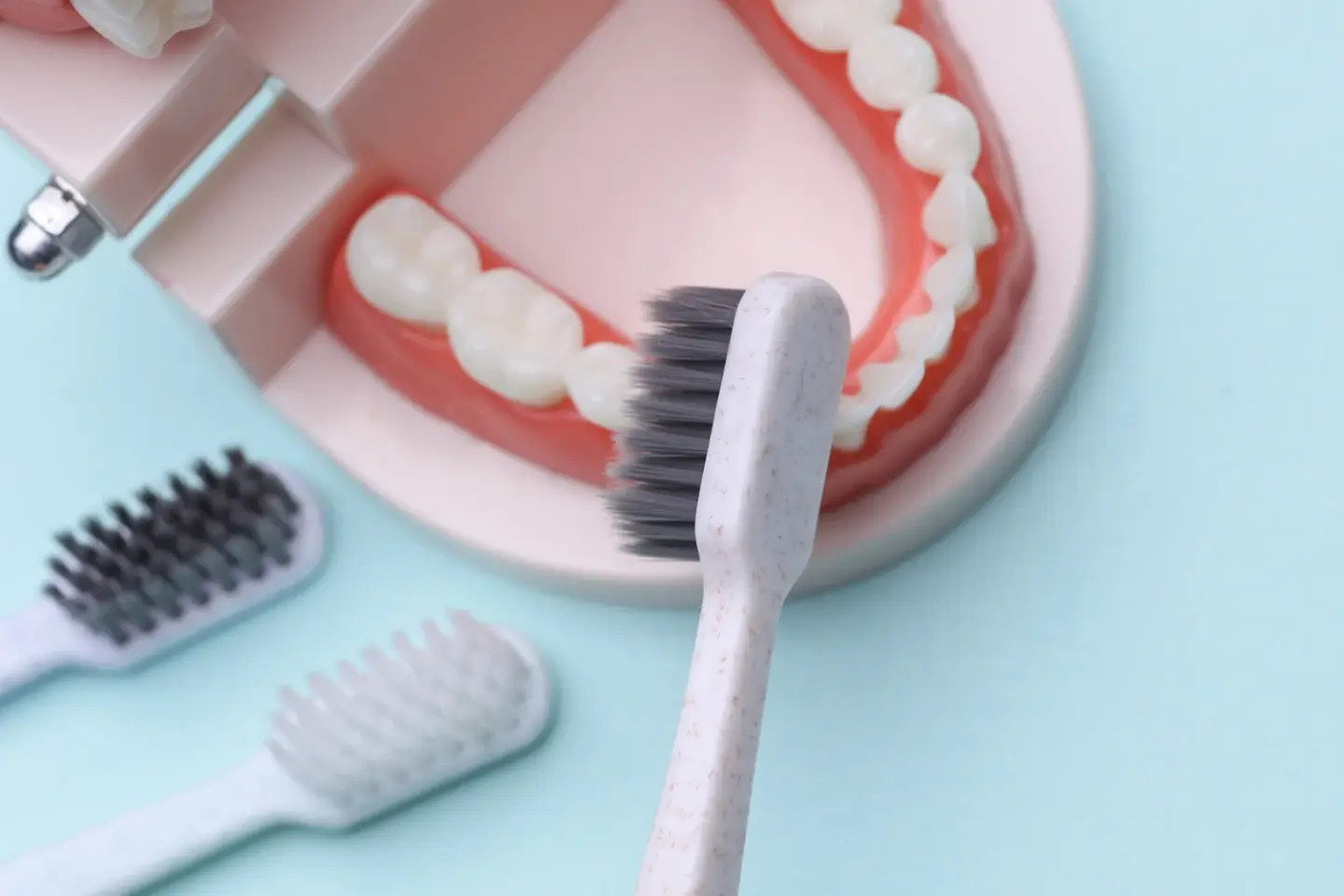
Most people brush, floss occasionally, and figure that is enough to keep their smile in good shape. The truth is a little more complicated. Plenty of everyday habits that seem harmless, or even helpful, can actually work against the routine you are already putting effort into. The good news is that most of these mistakes are easy to fix once you know what to look for.
Below, we cover some of the most common oral health mistakes people make without realizing it, along with what tends to help instead. If you have been curious about what a more informed approach to dental care looks like, this is a good place to start, and it is also the kind of thing our team at Gen Z Dentistry talks through with patients on a regular basis.
Brushing Right After Eating or Drinking Acidic Foods
It feels productive to brush right after a meal, especially if you just had something acidic like citrus, soda, or coffee. In reality, brushing too soon after acidic foods or drinks can actually do more harm than good, since the enamel is temporarily softened and more vulnerable to abrasion from brushing. Waiting around thirty minutes before brushing generally gives the enamel time to reharden, which tends to protect it better in the long run.
Using a Toothbrush With Hard Bristles
A lot of people assume firmer bristles mean a deeper clean. Generally speaking, the opposite tends to be true. Hard bristled brushes can wear down enamel and irritate the gum line over time, particularly with aggressive brushing pressure. Most dental professionals recommend a soft bristled brush paired with gentle, consistent technique rather than force.
Skipping the Tongue When Brushing
Brushing teeth without addressing the tongue leaves out a surface that holds onto a significant amount of bacteria, which can contribute to bad breath and an overall less clean feeling mouth. Adding a quick pass over the tongue, either with your toothbrush or a dedicated tongue scraper, is a simple addition that a lot of people skip without realizing what they are missing.
Rinsing With Water Immediately After Brushing
Rinsing thoroughly with water right after brushing washes away the concentrated fluoride left behind by toothpaste, which reduces some of the protective benefit fluoride is meant to provide. Spitting out excess toothpaste without a full water rinse allows a thin fluoride layer to remain on the teeth a bit longer, which many dental professionals consider a more effective approach.
Flossing Too Aggressively or Only Occasionally
Flossing matters, but how it is done matters too. Snapping floss down hard between teeth can irritate or even damage gum tissue over time. On the flip side, flossing inconsistently, only before a dental appointment, for example, does not really give you the ongoing benefit that comes with keeping the areas between teeth clean on a regular basis. A gentle, consistent flossing habit tends to serve people far better than an aggressive but occasional one.
Ignoring Minor Sensitivity or Discomfort
It is easy to brush off, no pun intended, mild sensitivity to hot or cold as something that will just go away. Sometimes it does. Other times it is an early sign of enamel wear, a small cavity, or gum recession that is worth having looked at before it becomes a bigger issue. Waiting until pain becomes significant generally means the underlying problem has had more time to progress.
Chewing Ice or Using Teeth as Tools
Using your teeth to open packages, tear tags, or crack open bottle caps puts unnecessary stress on enamel that is not designed to handle that kind of force. Chewing ice regularly falls into a similar category. These habits can lead to small cracks or chips that may not be immediately painful but can become a larger issue over time.
Not Replacing Your Toothbrush Often Enough
A toothbrush with frayed, splayed bristles does not clean nearly as effectively as a fresh one, even if it still technically works. Most dental professionals recommend replacing a toothbrush roughly every three months, or sooner if the bristles start to look worn down. This is one of those small habits that is easy to overlook simply because it does not feel urgent.
Skipping Regular Dental Checkups When Nothing Hurts
One of the more common mistakes, especially among younger adults juggling busy schedules, is assuming that no pain means no problem. Cavities and early gum issues often develop without any noticeable discomfort until they have progressed further. Regular checkups allow a dentist to catch these issues early, often before they turn into something that requires more involved treatment. This is something the team at Gen Z Dentistry hears about often, since a packed schedule can make it easy to push dental visits further and further down the priority list.
Relying Too Heavily on Mouthwash Instead of Brushing and Flossing
Mouthwash can be a helpful addition to an oral hygiene routine, but it is not a substitute for brushing and flossing. Some people use it to mask concerns like bad breath rather than addressing the underlying cause, which usually means the actual issue does not get resolved. Mouthwash works best as a complement to a solid brushing and flossing routine, not a replacement for one.
How to Build a Routine That Actually Works
Correcting these habits does not require an overhaul of your entire routine. Small, consistent changes tend to make the biggest difference over time. Brushing gently with a soft bristled brush twice a day, flossing consistently rather than occasionally, giving acidic foods a little time before brushing, and keeping up with regular checkups covers most of what matters. From there, it is really about consistency rather than perfection.
Why Patients Choose Gen Z Dentistry for Honest, Practical Dental Care
A lot of dental advice out there feels either outdated or overly clinical, which makes it easy to tune out. At Gen Z Dentistry, our approach is about giving patients practical, honest information they can actually use, without the lecture. We want appointments to feel like a conversation, not a rundown of everything you are doing wrong.
We also believe that good oral health habits should fit into real life rather than feeling like one more thing to stress about. Small, sustainable changes tend to matter far more than any single dramatic fix, and that is the mindset we bring to every visit.
Schedule a Checkup With Gen Z Dentistry Today
If it has been a while since your last dental visit, or if some of these habits sound a little too familiar, there is no better time to get things back on track than now.
Contact Gen Z Dentistry to schedule a checkup and get honest, practical guidance on your oral health routine. Our team is here to help you build habits that actually stick, without the judgment.
Frequently Asked Questions
Q: Is it really bad to brush right after eating?
A: It can be, particularly after acidic foods or drinks, since enamel is temporarily softened. Waiting around thirty minutes before brushing generally allows enamel to reharden first.
Q: Should I rinse with water after brushing?
A: Rinsing thoroughly washes away the fluoride left behind by toothpaste, which reduces some of its protective benefit. Spitting out excess toothpaste without a full rinse is generally considered more effective.
Q: How often should I really replace my toothbrush?
A: Roughly every three months is the standard recommendation, though a toothbrush with visibly frayed bristles should be replaced sooner regardless of how long you have had it.
Q: Is mouthwash enough on its own to keep my mouth healthy?
A: No, mouthwash works best as a complement to brushing and flossing, not a replacement. Relying on it alone to manage bad breath often means the underlying cause is not being addressed.
Q: What should I do if I notice mild tooth sensitivity?
A: Mild sensitivity is worth mentioning to a dentist rather than ignoring, since it can sometimes be an early sign of enamel wear, a cavity, or gum recession that is easier to address early on.
Q: How often should I really be getting dental checkups?
A: Most dental professionals recommend checkups roughly every six months, even if nothing feels wrong, since many oral health issues develop without noticeable symptoms until they have progressed.

)
)


OVERVIEW
PROCEDURES
SUPPORT
© 2026 Gen Z Dentistry | All rights reserved | Privacy Policy | Digital Marketing by Remedo