
Root Canals: Myths, Facts, and Relief
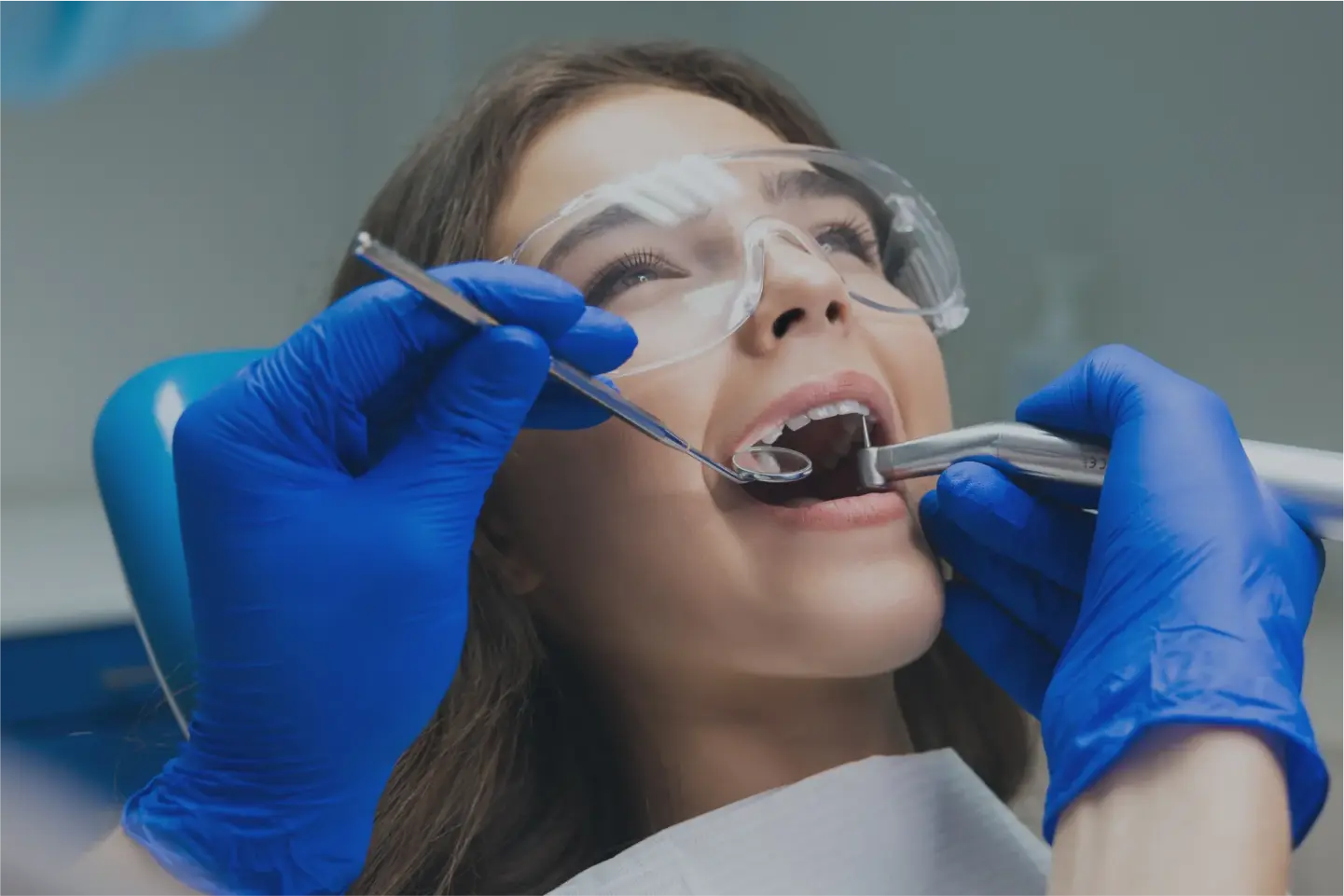
If there is one phrase in the dental world that makes people want to run for the hills, it is "root canal." We have all heard the jokes in movies or the horror stories from a distant relative about how painful the experience was. But here is the truth: most of those stories are outdated or flat out wrong. In reality, a root canal is a tooth-saving procedure that actually gets you out of pain, not into it. It is one of the most misunderstood treatments in modern medicine, yet it is responsible for saving millions of natural smiles every single year.
At Gen Z Dentistry, we want to change the narrative around this essential treatment. As your local dentist in Glendale, Queens, NY, we use the latest technology to ensure your comfort while we work to save your natural smile. Let us separate the fiction from the facts and talk about why you should stop fearing the root canal and start viewing it as a solution to your discomfort.
What Exactly Is a Root Canal?
To understand the relief a root canal provides, you first have to understand what is happening inside your tooth. We often think of teeth as solid, bone-like structures, but they are actually living organs. Deep beneath your white enamel and the hard layer of dentin is a soft tissue called the pulp. This pulp contains the nerves, blood vessels, and connective tissue that helped the tooth grow when you were younger.
When a tooth becomes deeply decayed or suffers a physical trauma, bacteria can enter that pulp chamber. This leads to an infection or a painful abscess at the tip of the root. Because the infection is trapped inside the hard walls of your tooth, the pressure builds up with nowhere to go. This pressure is what causes that throbbing, unmistakable toothache that keeps you up at night. A root canal is simply the process of removing that infected tissue, cleaning the internal space, and sealing it up to prevent future issues.
At Gen Z Dentistry, we view this procedure as a way to hit the "reset button" on a damaged tooth. By removing the source of the infection, we allow the surrounding bone and gum tissue to heal, preserving your natural bite and facial structure.
Debunking the Biggest Myths
Myth 1: The Procedure Is Extremely Painful
This is the most common misconception we hear at Gen Z Dentistry. Decades ago, dental technology was different, but today, getting a root canal is very similar to getting a standard filling. Because of modern local anesthetics, you will be completely numb throughout the entire process. Most patients find that the pain of the infected tooth was far worse than the treatment itself. In fact, many people actually fall asleep in the chair because the relief from the pressure is so immediate.
Myth 2: It Is Better to Just Pull the Tooth
Many patients ask their dentist in Glendale, Queens, NY if they should just have the tooth extracted to save time or money. While pulling a tooth might seem like a quick fix, it often leads to much more expensive and complex problems down the road. Missing teeth can cause your other teeth to shift out of place, leading to bite issues, difficulty chewing, and even bone loss in your jaw. Keeping your natural tooth through a root canal is always the best-case scenario for your long-term oral health and your wallet.
Myth 3: Root Canals Cause Illness
There is an old "holistic" myth from the early 1900s claiming that root canals cause diseases elsewhere in the body. This has been thoroughly debunked by decades of rigorous medical research. There is no scientific evidence linking root canal treatment to any systemic disease. In fact, leaving a bacterial infection in your mouth is much more dangerous for your overall health, as those bacteria can eventually enter your bloodstream.
Signs You Might Need a Root Canal
Not every toothache requires a root canal, but there are specific red flags that our team at Gen Z Dentistry looks for during an exam. If you are experiencing any of the following symptoms, you should visit a dentist in Glendale, Queens, NY as soon as possible to prevent the infection from spreading.
Persistent and Throbbing Pain
This is not a dull ache that comes and goes. This is a deep, persistent pain that does not go away, even when you are not eating or drinking. It often feels like a pulse inside your tooth.
Sensitivity to Temperature
A sharp pain that lingers long after you have finished a hot coffee or a cold drink is a sign that the nerves inside the pulp are damaged. If the "zing" lasts for more than a few seconds, it is time for a checkup.
Swollen Gums or "Pimples"
You might notice a small bump on your gums that looks like a pimple or a boil. This is known as a fistula, and it is a sign that an abscess is trying to drain. You might also notice a bad taste in your mouth or swelling in the gums near the painful tooth.
Darkening of the Tooth
An internal infection can cause the tooth to look grayish, dark, or slightly bruised. This happens because the blood supply to the pulp has been cut off or the tissue inside is dying.
Pain When Chewing or Touching
If it hurts to put any pressure on the tooth, the ligament around the root might be inflamed due to the infection. At Gen Z Dentistry, we use digital X-rays to see exactly what is happening beneath the surface in these cases.
The Relief: What Happens After Treatment?
The primary goal of a root canal at Gen Z Dentistry is to provide relief. Once the infected pulp is removed, the source of your pain is gone.
The procedure usually follows these steps:
- Numbing: We ensure the area is completely numb so you feel nothing but slight pressure.
- Access: A small opening is made in the top of the tooth.
- Cleaning: We use specialized instruments to remove the pulp and disinfect the canals.
- Sealing: The empty canals are filled with a biocompatible material called gutta-percha.
- Restoration: In most cases, your dentist in Glendale, Queens, NY will place a temporary filling. In a follow-up visit, a permanent crown will be placed.
This final step is vital. A tooth that has had a root canal becomes more brittle over time because it no longer has a blood supply. A custom-made crown from Gen Z Dentistry protects the tooth from fracturing and restores its full function, allowing you to eat your favorite foods in Glendale without worry.
Frequently Asked Questions
How long does the procedure take?
Depending on the complexity of the tooth (some molar teeth have more roots than others), a root canal usually takes between 60 and 90 minutes. We work efficiently at Gen Z Dentistry to ensure you are not in the chair longer than necessary.
Will I be able to drive home afterward?
Yes! Since we typically use local anesthesia, you will be fully alert and able to drive yourself home to your house in Queens or back to work. You will just have a numb lip and cheek for a few hours, so be careful not to bite your tongue!
How do I prevent needing another root canal in the future?
The best defense is a good offense. Regular checkups with your dentist in Glendale, Queens, NY, along with daily brushing and flossing, will keep decay from reaching the pulp of your other teeth. If you play sports, wearing a mouthguard can also prevent the type of trauma that leads to nerve death.
What is the recovery like?
Most people feel a bit of soreness or "bruising" in the jaw for a few days after the procedure. This is usually caused by the inflammation in the surrounding tissues, not the tooth itself. Over-the-counter pain relievers usually manage this perfectly. Our team at Gen Z Dentistry will provide you with specific aftercare instructions to ensure a smooth recovery.
Why Choose Gen Z Dentistry for Your Care?
We know that the dental chair is not everyone’s favorite place to be. That is why we have designed our practice to be a modern, welcoming environment. When you choose us as your dentist in Glendale, Queens, NY, you are choosing a team that values transparency and patient education. We do not just tell you that you need a procedure; we show you the X-rays, explain the "why" behind the treatment, and walk you through every step so there are no surprises.
Living with dental pain is exhausting. It affects your work, your sleep, and your ability to enjoy a meal with friends. At Gen Z Dentistry, we specialize in turning those stressful dental moments into stories of relief and recovery. We use advanced rotary endodontics and digital imaging to make your root canal faster and more precise than ever before.
Don’t Let a Toothache Get Worse
If you are suffering from dental pain, please do not wait. An infection will not clear up on its own, and the longer you wait, the higher the risk that the tooth cannot be saved. At Gen Z Dentistry, we prioritize emergency cases and do everything we can to get you out of pain quickly. We are proud to serve the Glendale community and provide a higher standard of care for every generation.

)
)


OVERVIEW
PROCEDURES
SUPPORT
© 2026 Gen Z Dentistry | All rights reserved | Privacy Policy | Digital Marketing by Remedo