
Understanding Obstructive Sleep Apnea and Its Impact
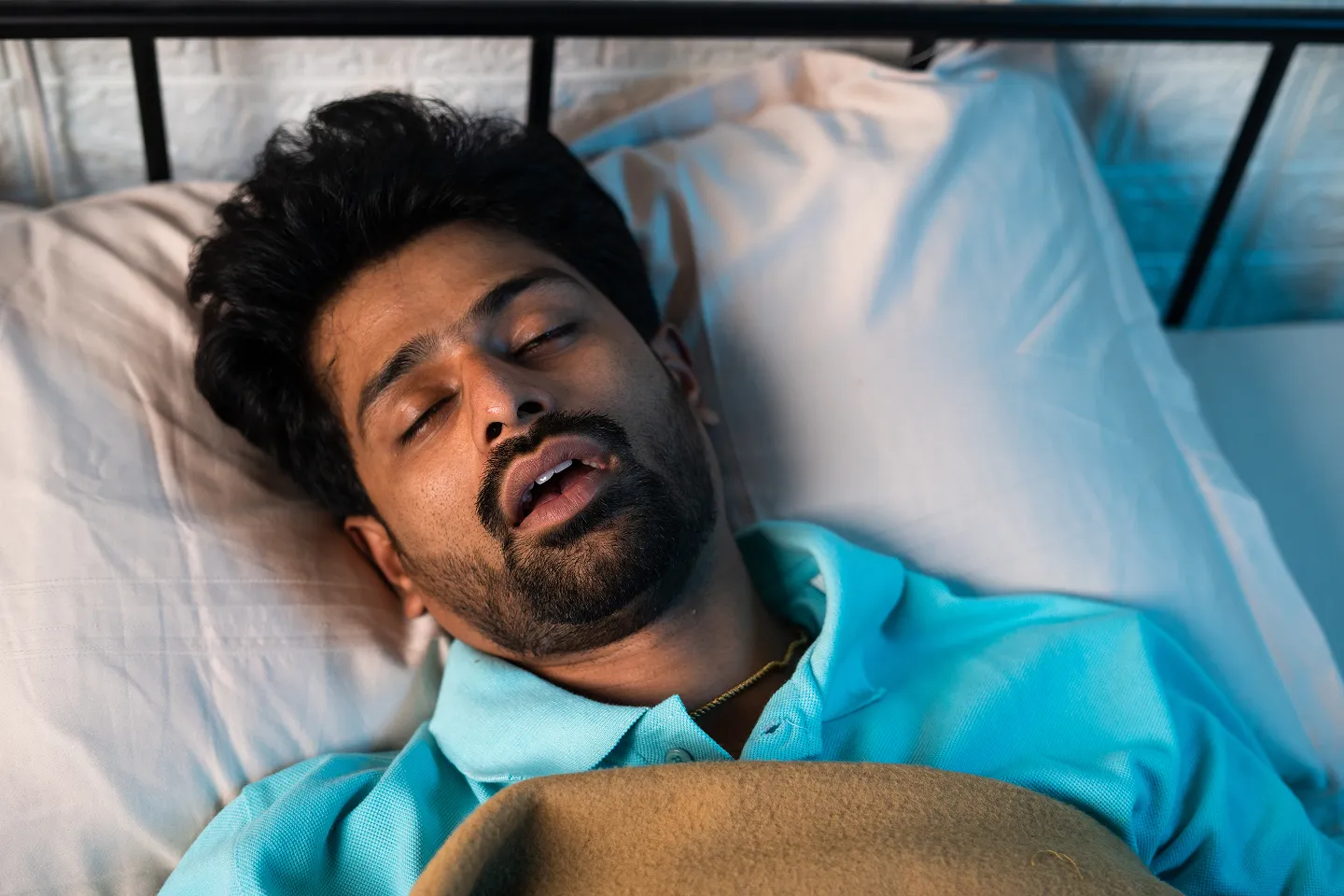
A restful night of sleep is vital for both physical health and mental clarity. When breathing repeatedly stops and restarts throughout the night, blood oxygen levels drop, preventing the body from entering the deep, restorative stages of sleep. This condition, known as obstructive sleep apnea (OSA), often goes undiagnosed for years, leaving individuals to struggle with unexplained daytime fatigue.
At Gen Z Dentistry, patients seeking sleep apnea treatment in Glendale, Queens, NY, frequently report experiencing chronic exhaustion, loud snoring, or persistent brain fog before receiving an evaluation. Recognizing the early warning signs allows individuals to explore effective solutions that can dramatically improve sleep quality and daily energy levels.
What is Obstructive Sleep Apnea?
Obstructive sleep apnea occurs when the muscles and soft tissues in the back of the throat over-relax during sleep, partially or completely blocking the airway. These obstructions can happen dozens of times per hour, prompting the brain to briefly interrupt sleep to restore breathing, though these micro-arousals are rarely remembered the next morning.
This condition extends beyond annoying snoring. Left untreated, the constant nighttime physiological stress can lead to:
- Severe daytime exhaustion
- Frequent mood fluctuations
- Memory lapses and cognitive difficulties
- Long-term cardiovascular strain
Early Warning Signs and Symptoms Of Sleep Apnea
Sleep apnea presents differently in every individual. While some experience a sudden onset of symptoms, others notice a gradual decline in their energy and sleep quality over months or years.
Key symptoms to monitor include:
- Loud, chronic snoring on a nightly basis
- Choking, gasping, or snorting sounds during sleep
- Observed pauses in breathing by a bed partner
- Waking up with a dry mouth or a dull headache
- Overwhelming daytime drowsiness
- Difficulty concentrating or staying organized
- Increased irritability or anxiety
- Frequent nighttime trips to the bathroom
While snoring does not automatically confirm a sleep apnea diagnosis, it warrants professional attention when combined with daytime fatigue and nighttime gasping. The team at Gen Z Dentistry evaluates both nighttime sleep patterns and daytime symptoms to understand the complete clinical picture.
The Link Between Sleep Apnea and Daytime Fatigue
Experiencing profound exhaustion despite spending eight hours in bed is a hallmark sign of sleep apnea. Because frequent breathing interruptions disrupt the sleep cycle, the body cannot remain in deep, regenerative sleep phases long enough to recharge.
This systemic lack of rest impacts daily functioning by reducing:
- Focus and workplace productivity
- Short-term memory and task management
- Alertness while operating a vehicle
- Patience and stress tolerance
- Physical stamina
It is common to attribute low energy to a demanding lifestyle, but underlying sleep apnea may be the primary cause. Identifying these symptoms early facilitates prompt access to sleep apnea treatment in Glendale, Queens, NY, before chronic fatigue impacts daily life.
How Snoring and Breathing Pauses Disrupt Rest
Snoring is caused by air forcing its way through a partially obstructed airway, causing the relaxed throat tissues to vibrate. Occasional snoring due to allergies or a cold is benign, but chronic, heavy snoring often points to OSA.
Bed partners are frequently the first to notice key indicators, such as:
- Silent intervals where breathing stops entirely
- Sudden gasps or choking sounds as breathing resumes
- Tossing, turning, and general restlessness throughout the night
These disruptions place continuous stress on the cardiovascular system. During an evaluation for sleep apnea treatment in Glendale, Queens, NY, at Gen Z Dentistry, a thorough review of airway anatomy, symptom history, and sleep habits helps determine if a formal sleep study is necessary.
Primary Risk Factors For Sleep Apnea
While sleep apnea can affect anyone regardless of age, gender, or body type, certain factors elevate the risk of developing the condition:
- Excess body weight, particularly around the neck
- Anatomical features such as a narrow airway or a recessed jaw
- Enlarged tonsils or adenoids
- A family history of sleep apnea
- Alcohol consumption or smoking close to bedtime
- Chronic nasal congestion or sinus issues
- High blood pressure
Men are diagnosed with sleep apnea more frequently, but women also face a significant risk, particularly during and after menopause.
Additionally, children can develop sleep apnea, often due to enlarged tonsils blocking their airways. Because pediatric sleep apnea frequently manifests as behavioral challenges or bedwetting rather than daytime sleepiness, parents should discuss any sleep concerns with a professional promptly.
When to Seek a Professional Evaluation For Sleep Apnea
Morning grogginess and snoring are often dismissed as normal occurrences, but persistent symptoms require medical review. Consider scheduling an evaluation if you experience:
- Loud snoring multiple nights a week
- Difficulty staying awake during afternoon meetings or while driving
- Waking up gasping for air or feeling chest tightness
- Frequent morning headaches that persist for an hour or more
- Reports from a partner that you stop breathing during sleep
A comprehensive assessment includes examining throat structures, discussing medical history, and evaluating daytime symptoms. If indicated, a sleep study can be arranged to monitor nighttime breathing accurately. Gen Z Dentistry guides patients through every step of this diagnostic process.
Custom Oral Appliance Therapy For Sleep Apnea
For individuals with snoring or mild-to-moderate obstructive sleep apnea, oral appliance therapy offers a highly effective, non-invasive alternative to CPAP machines.
These custom-molded devices are worn exclusively during sleep. They function by gently positioning the lower jaw forward, keeping the airway open, and preventing throat tissues from collapsing.
Patients frequently choose oral appliances due to their practical benefits:
- Compact, lightweight, and highly portable for travel
- Silent operation, ensuring a quiet environment for sleep partners
- Easy maintenance using a standard toothbrush
- Custom fit designed for comfort and dental alignment
Oral appliances are not suitable for severe cases of sleep apnea, making a professional evaluation essential. For those exploring sleep apnea treatment in Glendale, Queens, NY, Gen Z Dentistry can determine if a custom appliance is the right approach for your needs.
Lifestyle Modifications to Support Better Breathing
While clinical interventions are typically required to address sleep apnea effectively, specific lifestyle changes can help manage and reduce symptom severity:
- Maintaining a healthy body weight to decrease pressure on the airway
- Practicing side-sleeping positions instead of sleeping on the back
- Avoiding alcohol and heavy meals in the hours leading up to bedtime
- Establishing a consistent sleep schedule to regulate body rhythms
- Utilizing saline sprays or nasal strips to maintain clear nasal passages
Schedule a Consultation at Gen Z Dentistry
If you are ready to address chronic morning headaches, persistent snoring, or daily exhaustion, professional answers are available. The team at Gen Z Dentistry provides dedicated, individualized care for patients seeking sleep apnea treatment in Glendale, Queens, NY, offering airway assessments and custom oral appliances.
Contact Gen Z Dentistry today to book a consultation and begin improving your sleep quality.
Frequently Asked Questions
What are typically the first signs of sleep apnea?
The earliest indicators generally include chronic snoring, waking up with a dry mouth or headache, experiencing a distinct afternoon energy crash, or having a sleep partner note gasping episodes during the night.
Can you have sleep apnea if you do not snore?
Yes. While loud snoring is a frequent symptom, some individuals with sleep apnea do not snore at all. Their primary symptoms may manifest as frequent nighttime awakenings, morning brain fog, or profound daytime tiredness.
What are the risks of leaving sleep apnea untreated?
Untreated sleep apnea carries significant health risks over time. The repeated drops in blood oxygen levels place strain on the cardiovascular system, increasing the likelihood of high blood pressure, stroke, and heart disease, while also elevating the risk of fatigue-related accidents during the day.
What is a sleep oral appliance?
An oral appliance is a custom-fabricated dental device similar to a mouthguard. Worn at night, it positions the lower jaw slightly forward to keep the airway open and prevent the throat tissues from obstructing airflow.

)
)


OVERVIEW
PROCEDURES
SUPPORT
© 2026 Gen Z Dentistry | All rights reserved | Privacy Policy | Digital Marketing by Remedo